Safe and Effective Residential Tree Removal: What Homeowners Need to Know
Understanding Residential Tree Removal
Residential tree removal is not a task to take lightly. When a large oak or pine stands too close to your house, or when a storm has left a limb hanging dangerously, the decision to remove a tree involves safety, property value, and long-term planning. This article walks through the key aspects of residential tree removal, offering practical guidance for homeowners facing this situation.
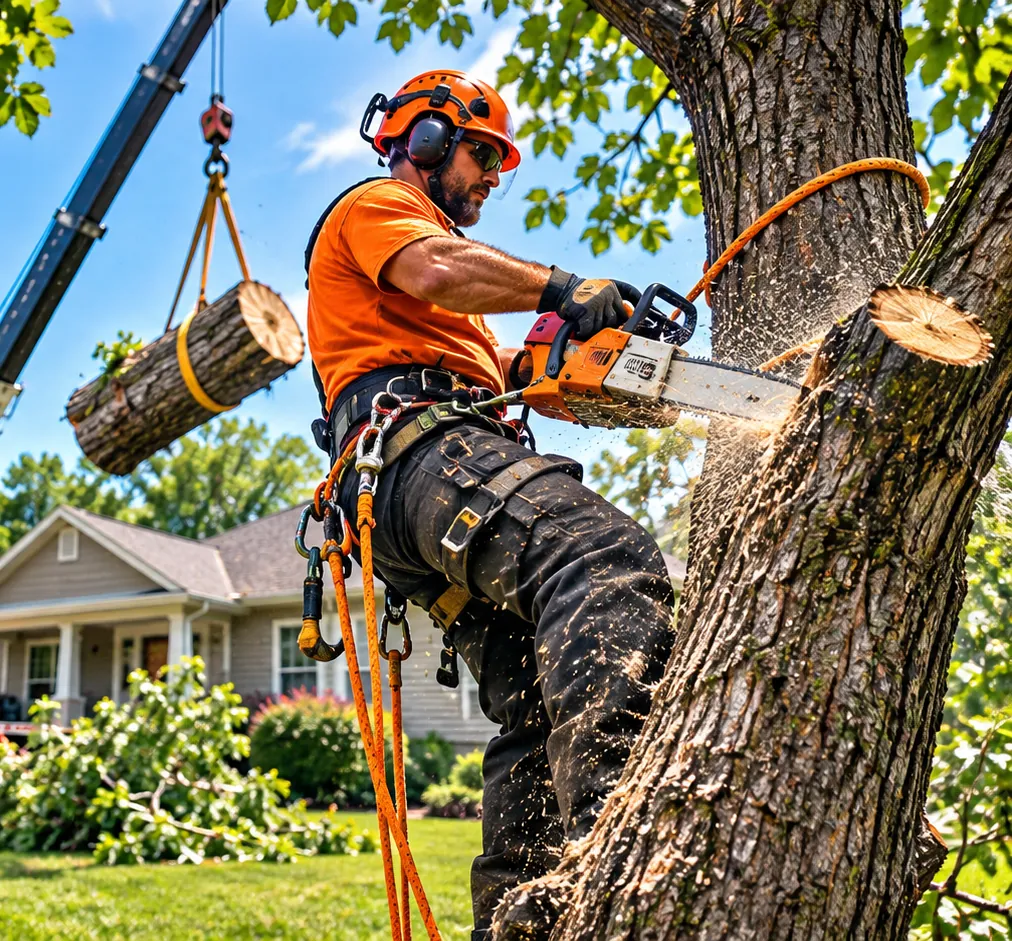
Tree removal on a residential property differs from work in a forest or open field. The presence of homes, driveways, fences, and power lines means every cut must be carefully planned. A tree that falls the wrong way can cause serious damage. That is why professional tree removal services rely on techniques like climbing and rigging to lower branches in sections, controlling where each piece lands. This is where experience matters most.
When Should You Consider Tree Removal?
Not every tree needs to come down. Sometimes a tree can be saved with proper pruning or cabling. But certain signs make removal the safer choice. Look for large dead branches, cracks in the trunk, or a lean that has worsened after a storm. A tree with extensive decay or fungus at the base may have a compromised root system. If a tree is growing too close to the foundation, roots can damage the structure over time. In such cases, removal prevents costly repairs later.
Another common scenario is storm damage. High winds and heavy rain can leave a tree split or uprooted. Even if the tree still stands, hidden cracks may make it unstable. Professional assessment is critical after a storm. A certified arborist can identify risks that an untrained eye might miss. Acting quickly can prevent a dangerous fall.
The Process of Removing a Tree
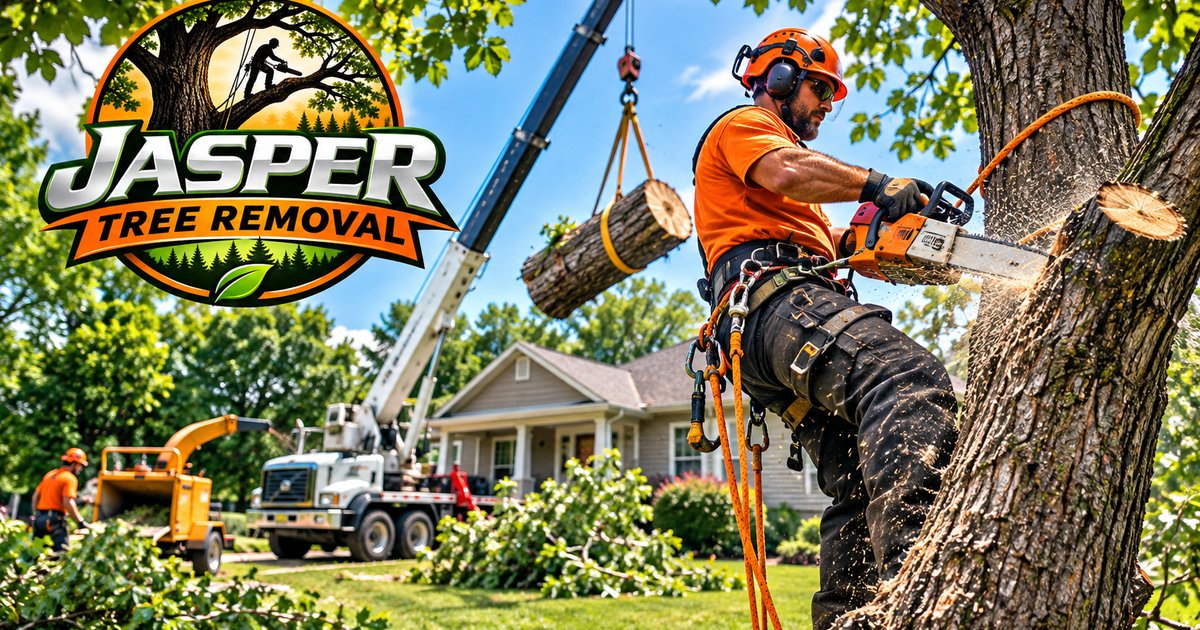
Professional tree removal follows a step-by-step approach. First, the area is assessed. The crew identifies the tree’s lean, the location of nearby structures, and any obstacles. Next, a plan is made for how to bring the tree down safely. For trees in tight spaces, climbers use ropes and harnesses to ascend and remove the tree in sections. This is called rigging. Each piece is lowered to the ground, avoiding damage to the lawn, roof, or garden below.
Once the tree is down, the stump remains. Stump grinding is a separate service that removes the stump below ground level, allowing the area to be leveled and reseeded. Some homeowners choose to leave the stump, but it can attract pests or become a tripping hazard. Grinding is usually recommended for a clean finish.
Cleanup is the final step. Branches are chipped, logs are cut into manageable pieces, and the site is raked. The goal is to leave the property as clean as possible. A reputable service will handle debris removal, saving you the hassle of hauling heavy branches yourself.
Choosing a Tree Removal Service
Selecting the right company for the job is important. Look for a service that is licensed and insured. Insurance protects you if something goes wrong during the work. Ask about their experience with residential jobs, especially in tight spaces. A company that offers climbing and rigging techniques can handle trees that are close to buildings. Also check if they provide stump grinding and cleanup as part of the package.
For homeowners in Jasper and Pickens County, Georgia, one option to consider is Jasper Tree Removal. The company provides 24/7 residential and light commercial tree removal, trimming, and storm cleanup. Their services include climbing, rigging, and stump grinding, which covers the full scope of what a typical residential job requires. When researching providers, you might visit jaspertreeremoval.com to learn more about their approach. It is always wise to get multiple quotes and ask for references before making a decision.
Safety and Liability
Tree removal is hazardous work. Falling branches, chainsaws, and unstable trees create real risks. That is why it is never a do-it-yourself job for a large tree. Even a seemingly simple cut can go wrong. Professionals wear safety gear, use proper equipment, and follow industry standards. They also carry liability insurance and workers’ compensation, protecting you if an accident occurs on your property.
Before work begins, make sure the company provides a written contract outlining the scope of work, timeline, and cost. Avoid any company that asks for full payment upfront. A deposit may be reasonable, but the balance should be due upon completion. Also confirm that they will handle permits if required. Some local jurisdictions require a permit for tree removal, especially for certain species or sizes.
Environmental Considerations
Removing a tree has an impact on the landscape and the local ecosystem. Trees provide shade, improve air quality, and support wildlife. If you must remove a tree, consider planting a new one in a safer location. Choose a species that is well-suited to your climate and soil, and that will not outgrow the space. Proper placement reduces the chance of future conflicts with your home.
If the tree is healthy but in the way, think about alternatives. Pruning can reduce the weight of heavy limbs, and cabling can provide extra support. Sometimes a tree can be relocated, though this is costly and rarely successful for large specimens. Consulting with an arborist can help you weigh the options before committing to removal.
Cost Factors
The cost of residential tree removal varies widely based on several factors. Tree size, location, and complexity all play a role. A small tree in an open yard costs less than a large tree leaning over a house. Accessibility matters too. If the crew can drive a truck close to the tree, the job is simpler. If they must carry equipment through a narrow gate or over a fence, the price rises. Additional services like stump grinding or branch chipping add to the total. Always get a detailed estimate so you know what is included.
It is also worth asking about discounts for multiple trees. If you have several trees that need attention, bundling the work can sometimes lower the per-tree cost. And remember, the cheapest quote is not always the best value. Quality work and proper insurance are worth paying for.
After the Tree Is Gone
Once the tree is removed, you may notice changes in your yard. More sunlight reaches the ground, which can affect your lawn and garden. You might also see changes in soil moisture. Plan to reseed or replant the area to prevent erosion. If you had the stump ground, you can top the area with soil and grass seed. If you left the stump, consider using it as a natural planter or decorative feature.
Keep an eye on the surrounding trees. Sometimes the removal of one tree exposes others to more wind, increasing their risk of falling. A professional can advise on whether any nearby trees need attention. Regular inspections every few years help catch problems early.
Residential tree removal is a significant decision, but when done correctly, it protects your home and family. By understanding the process, choosing a qualified service, and planning for the aftermath, you can handle the job with confidence. For more details on safe tree removal practices, resources like jaspertreeremoval.com offer information tailored to homeowners in the region. Jasper Tree Removal serves the Jasper and Pickens County area with a range of services, ensuring that your property remains safe and well-maintained. Remember, the key is to act before a tree becomes a hazard, not after.
Jasper Tree Removal on social media
 Twitter
 Instagram
 YouTube